
Production of biochar
in the Kon-Tiki
A guide in a few steps

Step 1
The Kon-Tiki
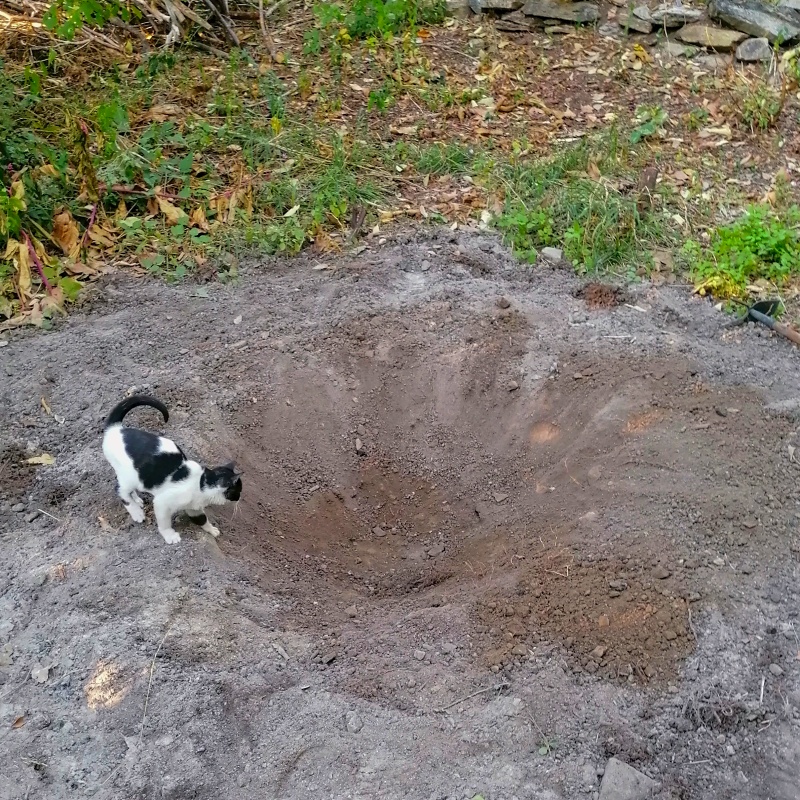
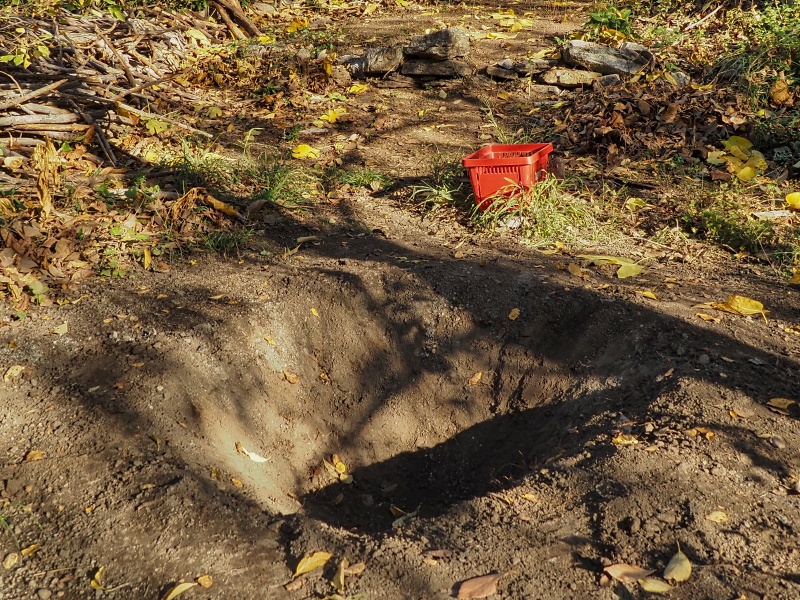
A simple pit can be used as a Kon-Tiki to produce biochar. This is a cone-shaped hole in the ground in which biomass is placed in layers. in layers is burned in layers. The special design and controlled oxygen supply create a pyrolysis process in which the biomass only partially burns and is converted into biochar. The Kon-Tiki process is cost-effective and is particularly suitable for small farmers or communities who want to produce biochar without industrial facilities.
The fuel
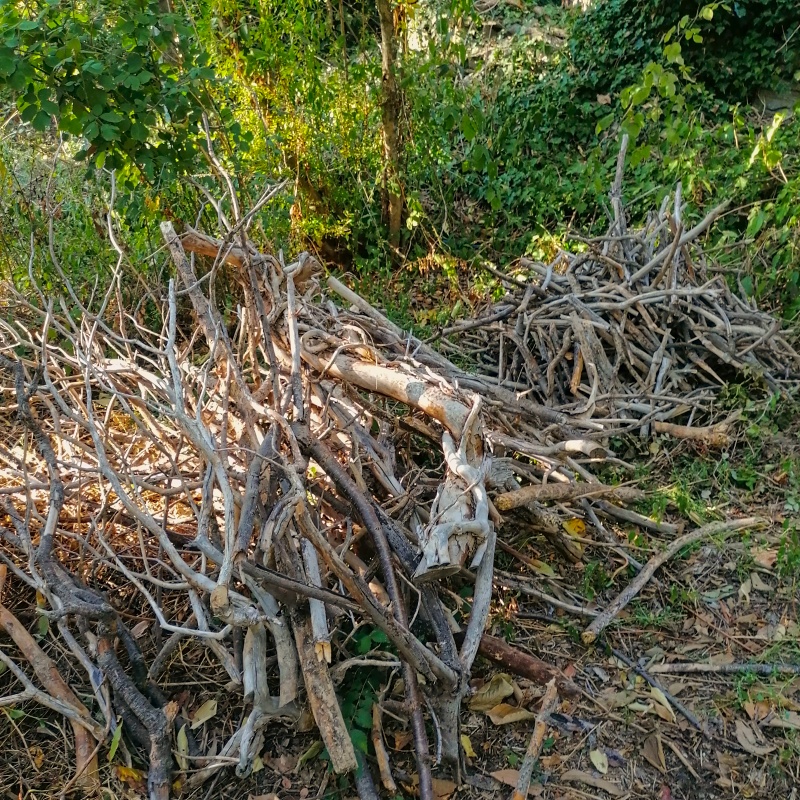
Organic biomass such as wood, straw, husk residues, leaves or agricultural waste is used to produce biochar. It is important that the material is as dry and uniformly thick as possible, as this enables even combustion and optimum pyrolysis. A uniform thickness of the biomass layers promotes a constant temperature distribution in the combustion chamber and prevents incomplete charring or the formation of ash instead of coal.
IMPORTANT
Do not use wood that is heavily contaminated with pesticides.
Pollutants may not be completely incinerated and then re-enter the soil.

Step 2

Step 3
Burn correctly
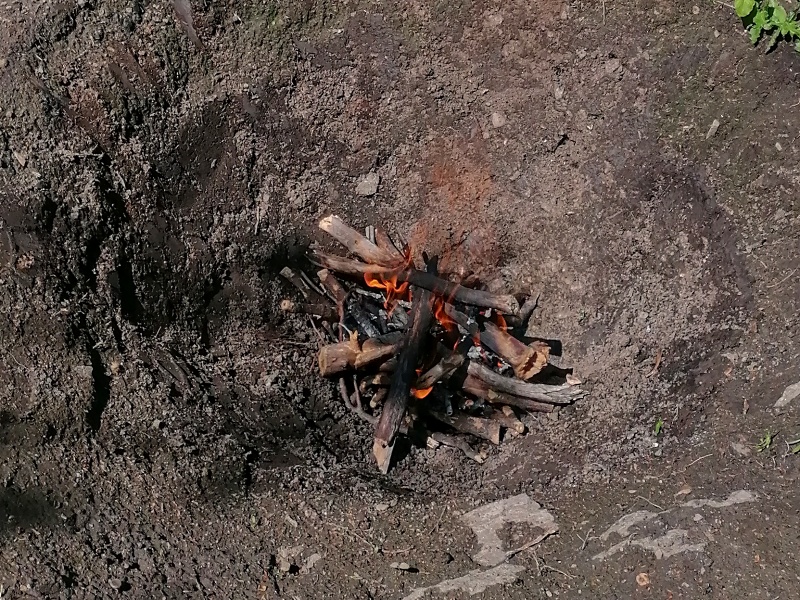
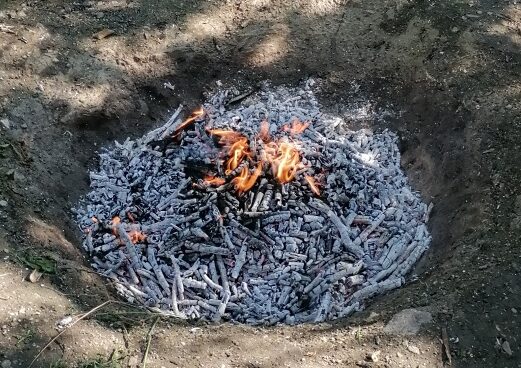
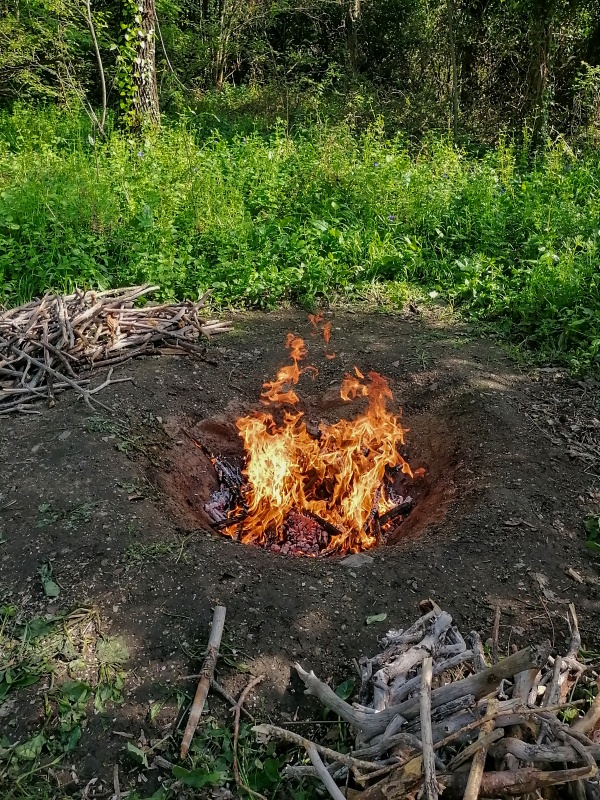
During the burning process, the evenly thick, dry biomaterial is filled into the conical pit (Kontiki) in layers and ignited.
Due to the conical shape and the limited oxygen supply, each layer only burns partially and chars in the process. As soon as a layer has turned to embers, a new layer of biomass of the same thickness is placed on top.
This layer structure ensures controlled pyrolysis, in which the material slowly and evenly turns into charcoal without burning completely to ash.
IMPORTANT
Burning must take place in layers, i.e. in many layers, otherwise the burning process is not clean and the material may burn and not char.
INFO
If combustion, i.e. burning in layers, is done correctly, no smoke is produced during combustion. The fire does not smoke, as can be seen in the picture (left).
Extinguishing
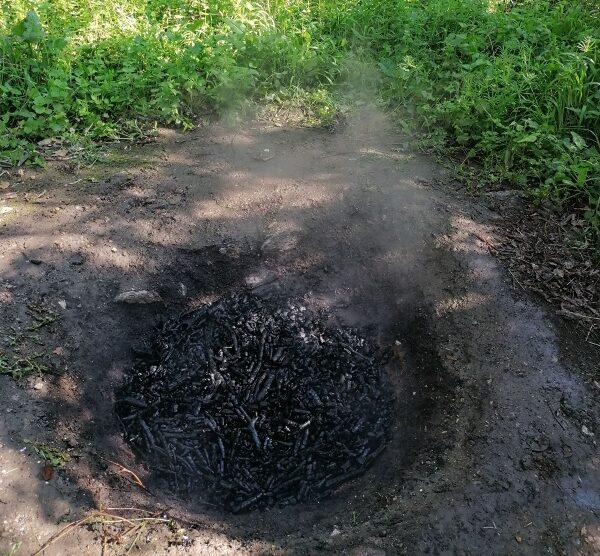
After the burning process, the glowing charcoal in the Kontiki is extinguished with water from below. This step is important because it stops combustion immediately and cools the charcoal, preventing it from burning further into ash.
Quenching also binds moisture in the charcoal, making it easier to work into the soil later.
INFO
A Kon-Tiki of this size requires approx. 50 to 100 liters of water.
The best way to do this is to use a hose to feed the water into the Kon-Tiki from the sides first.
Step 4

Step 5
Shredding
After production, the biochar is crushed so that the pieces of charcoal reach an optimum size of around 1 to 10 millimetres.
This fine grain size ensures that the charcoal can be better worked into the soil and provides a larger surface area.
The surface area is important as it can better absorb and store nutrients, water and microorganisms, which significantly improves soil fertility and the water balance.
There are various ways of crushing them
- with a mortar and pestle - this is particularly practical for smaller quantities. If you have larger quantities, you can
- into a sturdy bag and hit it with a hammer or heavy object until it is the desired size. Some also use
- Garden shredders or special coal crushers to make your work easier.
- You can take 2 boards and hit them with a hammer.
- You can spread the charcoal on a firm surface and drive over it with the car.
Please pay attention to your own safety! It is advisable to wear safety goggles and a dust mask so that you do not inhale any fine particles or get them in your eyes.
INFO
Please pay attention to your own safety! It is advisable to wear safety goggles and a dust mask so that you do not inhale any fine particles or get them in your eyes.
Activating the biochar
Activating biochar after production in the Kon-Tiki is a crucial step in increasing its effectiveness as a soil conditioner.
Without activation, the charcoal would initially bind nutrients from the soil and remove them from the plants.
Activation opens the pores of the charcoal, allowing it to better absorb nutrients and microorganisms. An effective approach to activation is to mix the freshly produced biochar with nutrient-rich liquids such as compost tea or diluted manure. The mixture should then be left to rest for a few weeks so that the charcoal can absorb the nutrients. During this process, beneficial microorganisms also settle in the pores of the charcoal, which further enhances its positive effect on the soil.
Possibilities for activation and quantity ratios:
1. with manure or slurry:
Biochar is mixed in a ratio of 1:1 with chicken, goat or sheep manure and stored for at least a week.
During this time, it absorbs organic nutrients and microorganisms from the manure.
2. with nutrient solutions
Biochar can be soaked in liquid fertilizer or compost tea (e.g. nettle manure) .
A mixing ratio of 1 part charcoal to 2 parts nutrient solution is usual. The charcoal should soak for a few days to fully absorb the nutrients.
3. microbial fermentation:
Here, the charcoal is treated with Effective Microorganisms (EM). To do this, mix 1 kg of biochar with approx. 2 liters of EM solution and leave the mixture to ferment for a few days to ensure good colonization with microorganisms.
4. by composting:
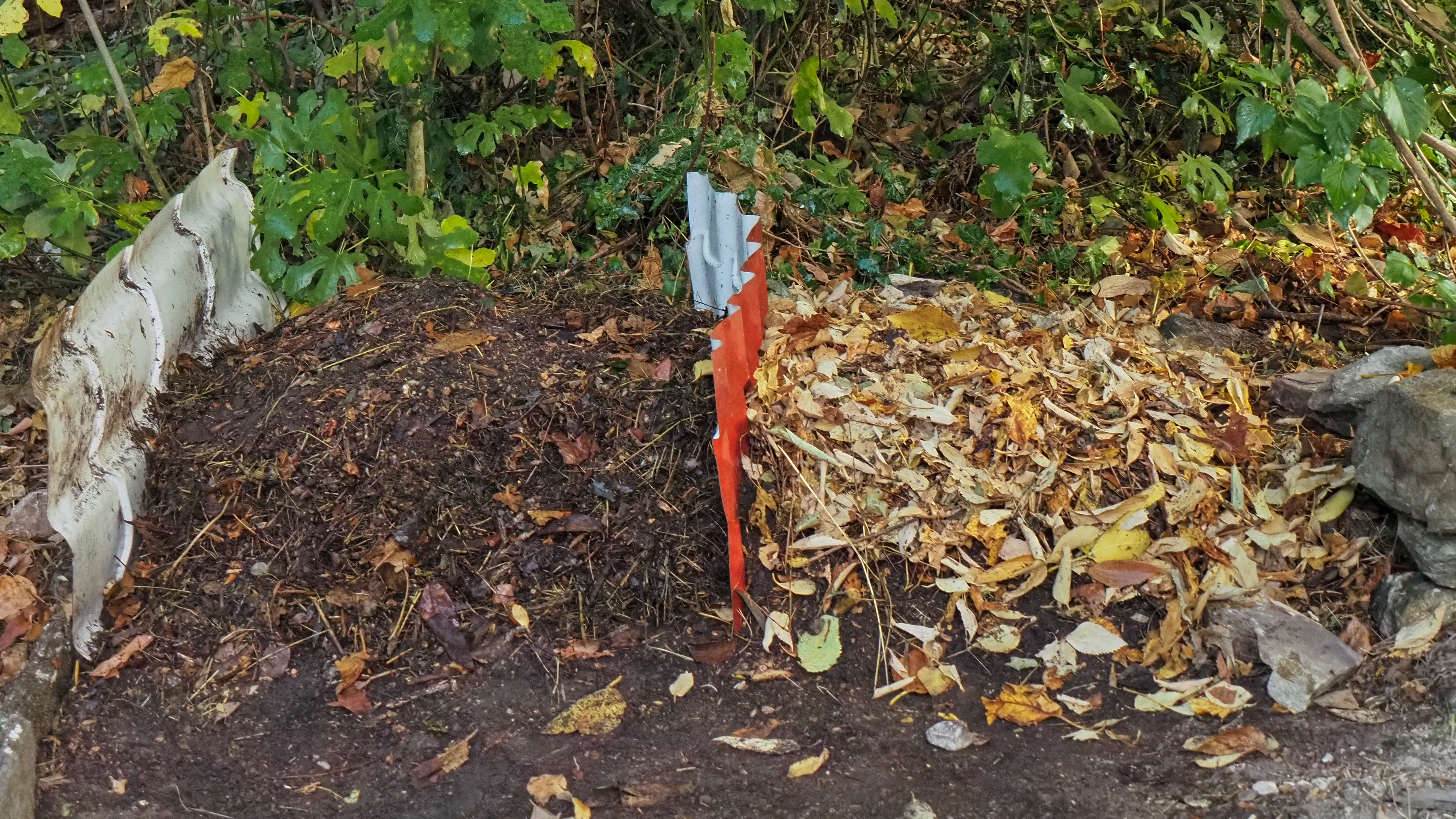
Biochar is mixed into the compost at a rate of around 10-20% by volume. During the composting process, it absorbs nutrients and microorganisms.
When activated, the biochar is immediately ready to improve the soil structure and nutrient storage.

Step 6
Step 5
Insert into the soil
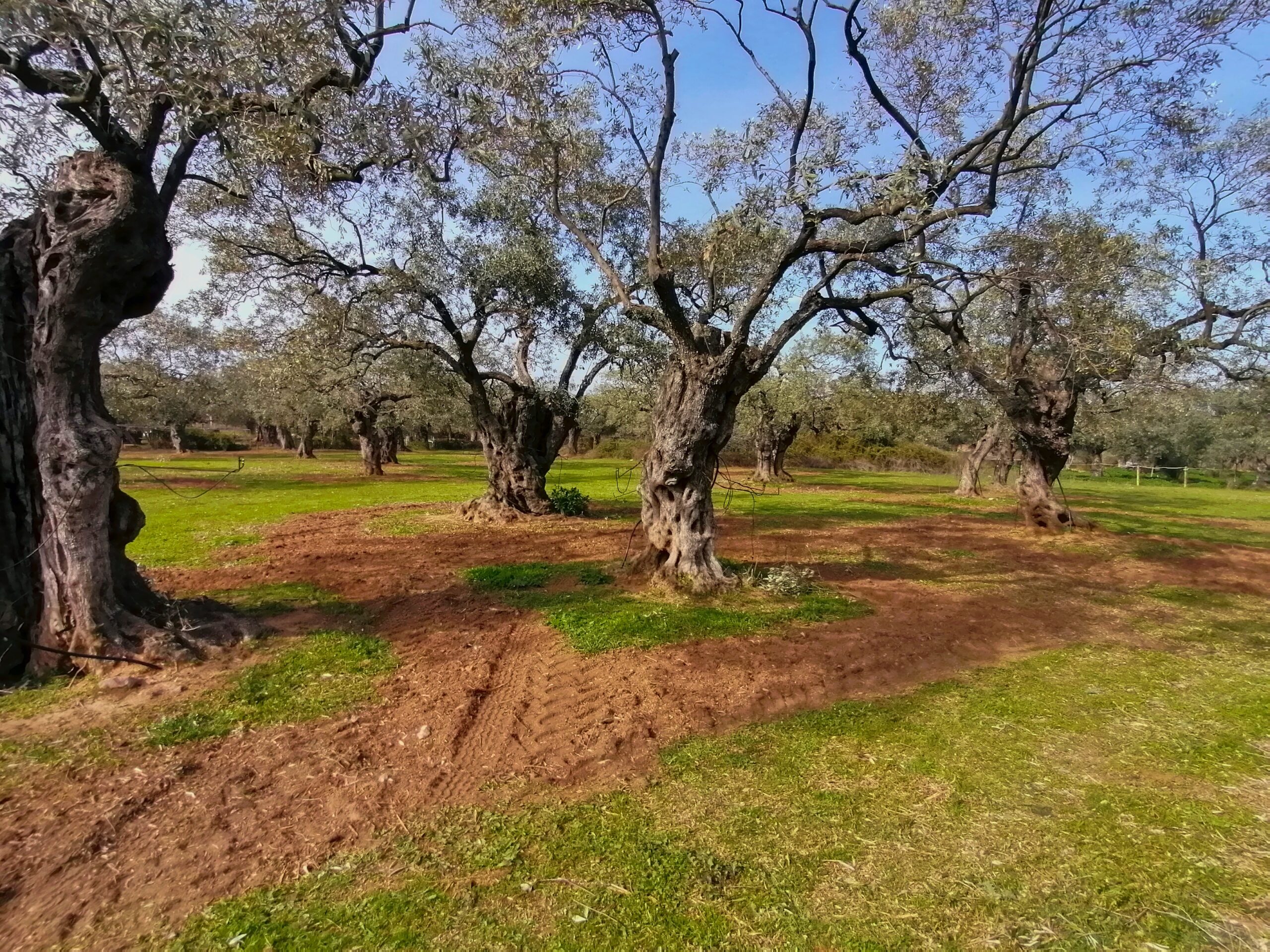
Olive grove
Spread the activated biochar (approx. 5-10 % of the soil volume) around the trees in the root area. Then work it lightly into the top layer of soil (5-10 cm deep) and cover with mulch or compost. This improves the water retention capacity, promotes soil life and ensures fertile soil in the long term.
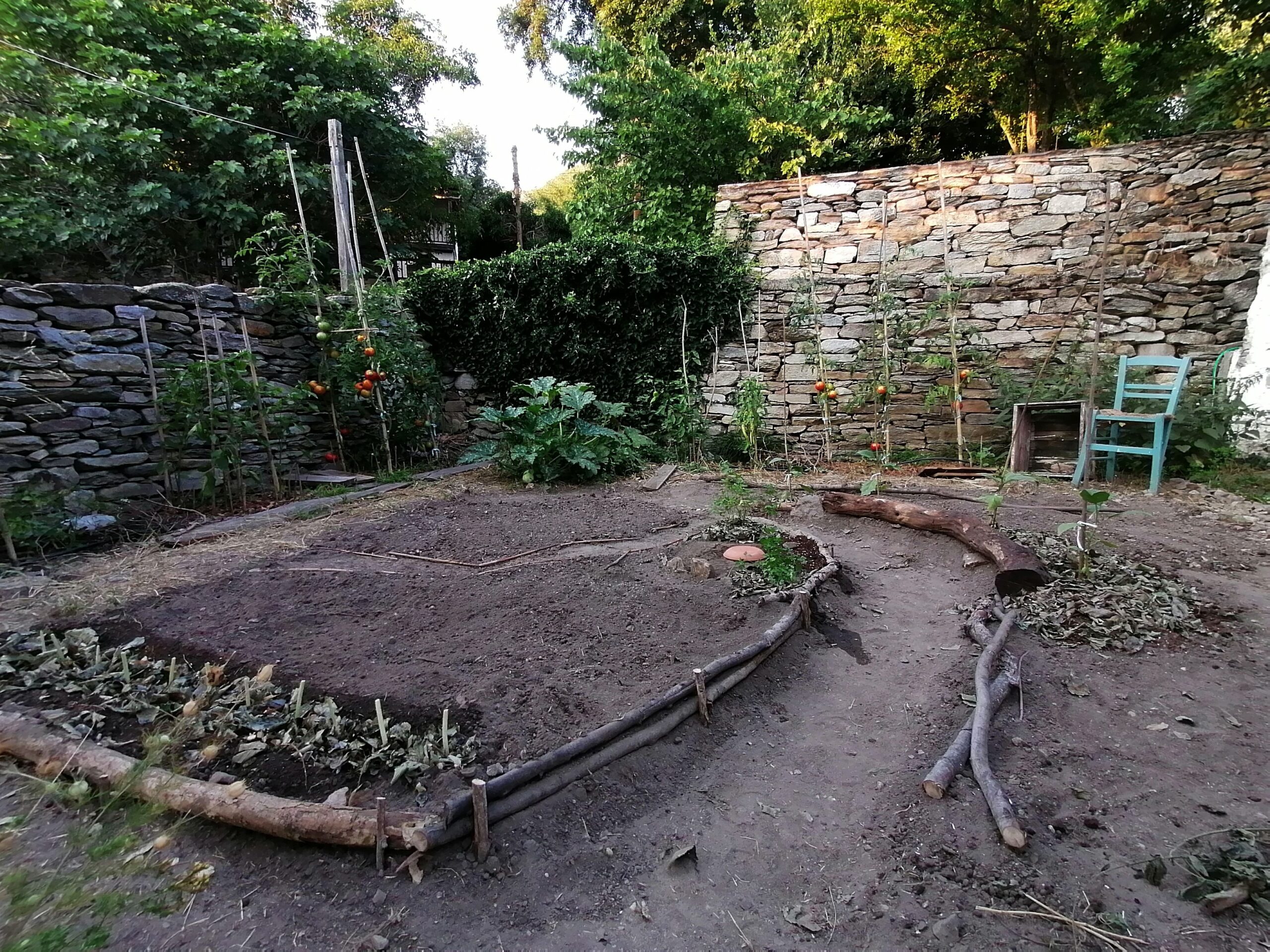
Vegetable patch
Mix the activated biochar in a ratio of 10-20% with compost or well-rotted manure. Then work it evenly into the top 10-20 cm of the bed. Biochar improves the soil structure, stores nutrients and moisture and promotes healthy plant growth. Especially in humus-poor or sandy soils, there is a significant improvement in yields.
Alternative production processes for biochar
There are various methods for producing biochar for agriculture, which vary in terms of cost and effort.
Here is an overview, from the cheapest and simplest methods to the more complex and expensive processes:
Kon-Tiki pits
Simple and cost-effective: Biomass is burned in conical pits with a reduced oxygen supply. This is a simple method that requires little technology and can be carried out locally in small quantities. However, the emissions are comparatively high and the process is inefficient.
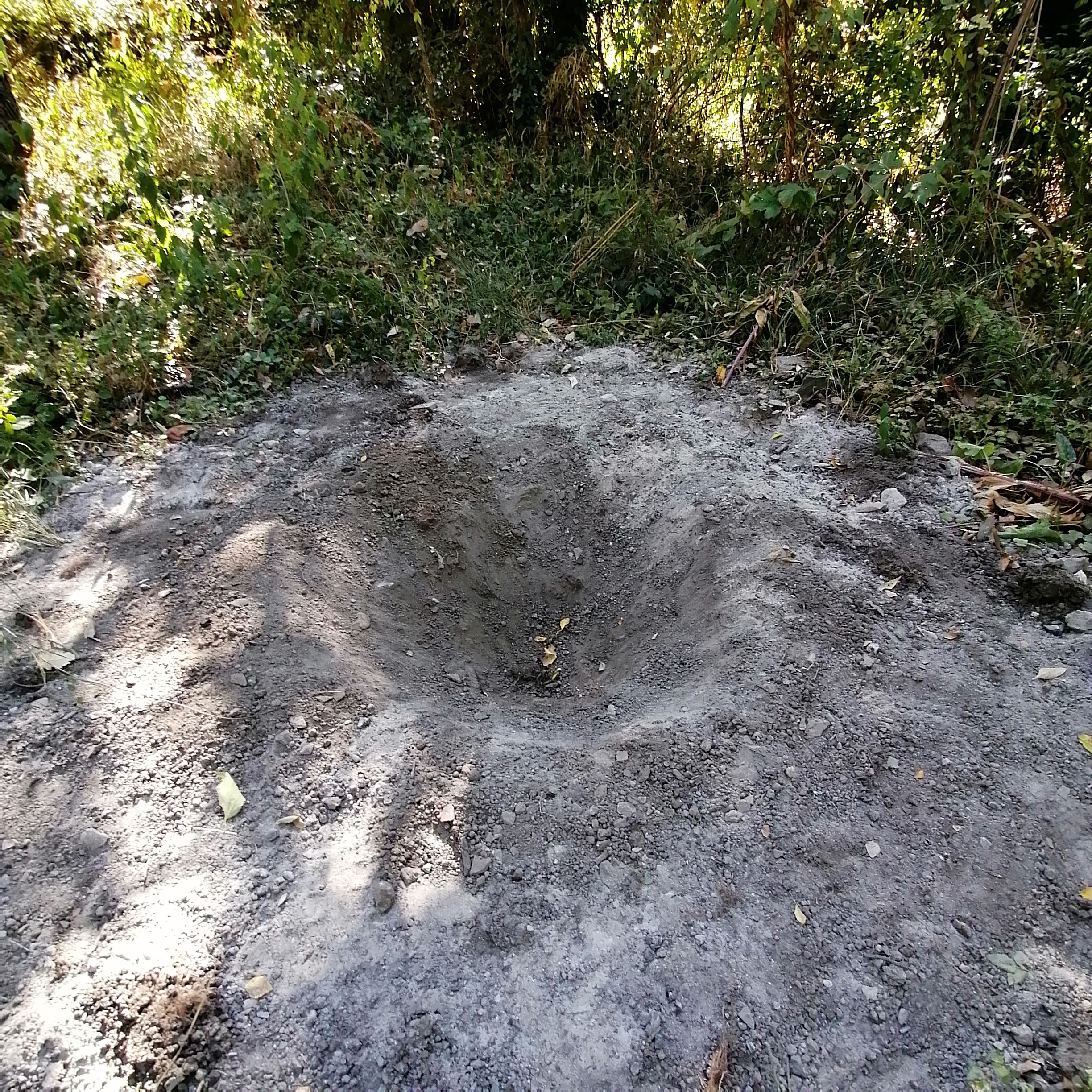
Earth pile
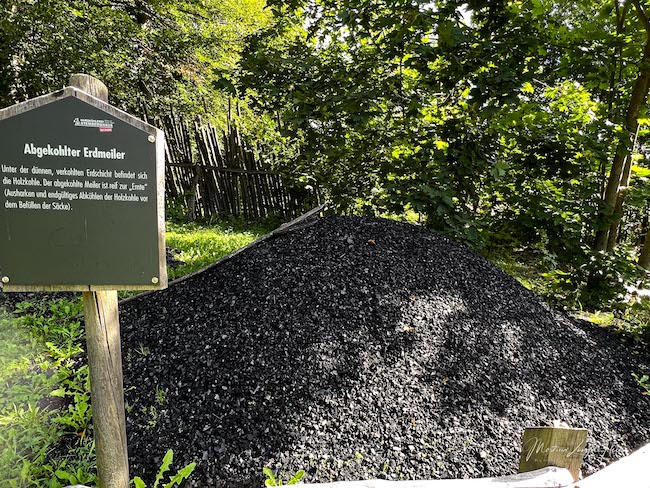
Inexpensive, somewhat more complex: Here, the biomass is slowly carbonized in an earth pile (an earth pit that is covered airtight). This is a tried and tested method, although heat and energy are lost. The process takes a long time, but is well suited to small farms.
Photo: HundeReisenMehr/Martina Züngel-Hein
Batch ovens (e.g. barrel ovens)
Low to medium costs, less effort: With batch ovens or barrel ovens, biomass is heated in a closed, low-oxygen room, which reduces emissions. This method is well suited to smaller operations and is relatively easy to operate, but only offers limited production capacity.
Mobile pyrolysis systems
Medium costs, flexible use: Mobile pyrolysis plants can be used directly on agricultural land and enable continuous biochar production from different materials. These plants offer medium charcoal yields and are more efficient, but they require an initial investment.
Retort systems
Medium to high costs, higher effort: retort systems work with closed chambers and enable controlled pyrolysis, which increases efficiency and charcoal yield. These plants are less mobile and require more maintenance and energy, but offer consistent biochar quality.
Hydrothermal carbonization (HTC)
High costs, complex: HTC systems are particularly suitable for moist biomass such as fermentation residues and work under pressure and moderate temperatures. However, this method requires specialized, expensive equipment and is usually only used on larger farms.
Links
german:
https://de.wikipedia.org/wiki/Hydrothermale_Karbonisierung
https://www.ufz.de/index.php?de=37433
english
https://ohioline-osu-edu.translate.goog/factsheet/fabe-6622?_x_tr_sl=en&_x_tr_tl=de&_x_tr_hl=de&_x_tr_pto=rq
greek:
Industrial pyrolysis plants
Very high costs, maximum effort: Industrial systems offer the highest efficiency and continuous production. They are suitable for large farms or mergers of several farms, as they require very high investment and expert supervision.


