
Biochar
|
 |
Our island in transition
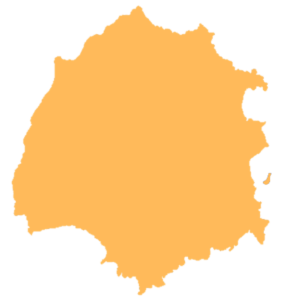
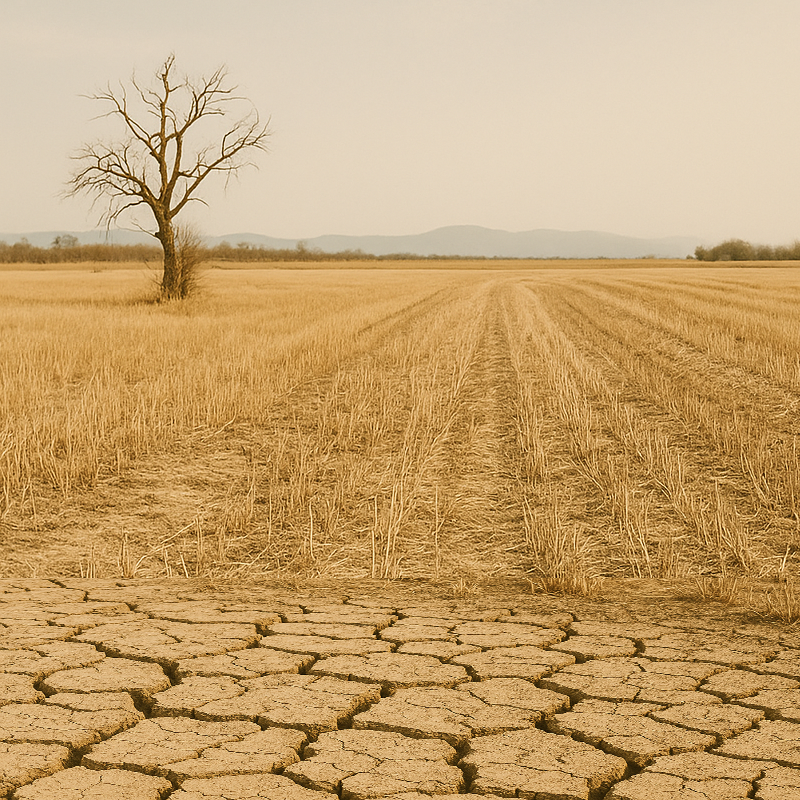
Thassos is facing tangible challenges: Climate change is causing longer periods of drought, declining water reserves and pressure on the soil and agriculture. Tourism is also leaving its mark – especially in terms of water consumption.
Biochar – a natural opportunity
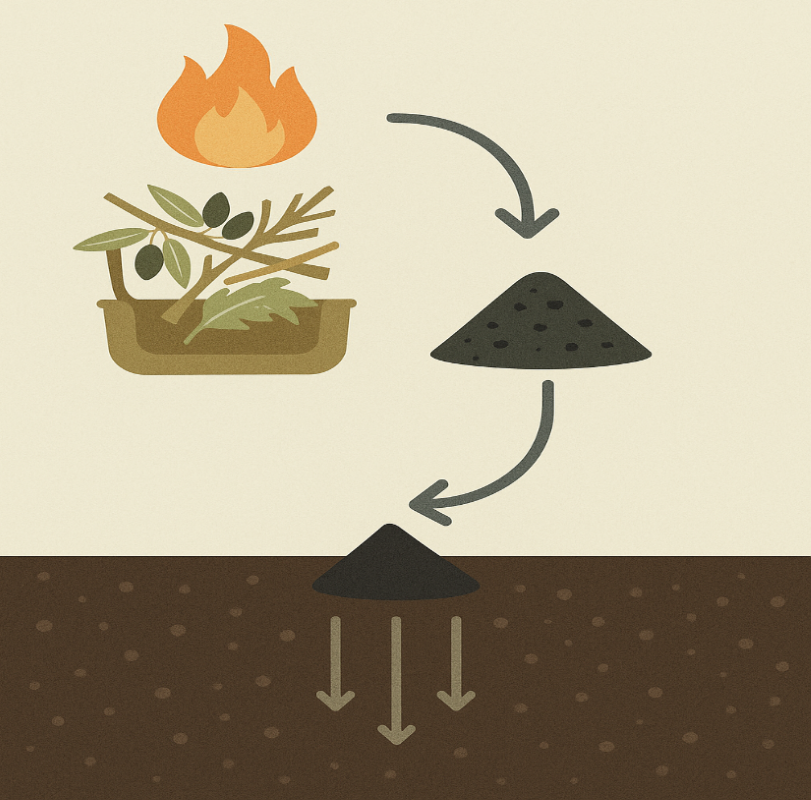
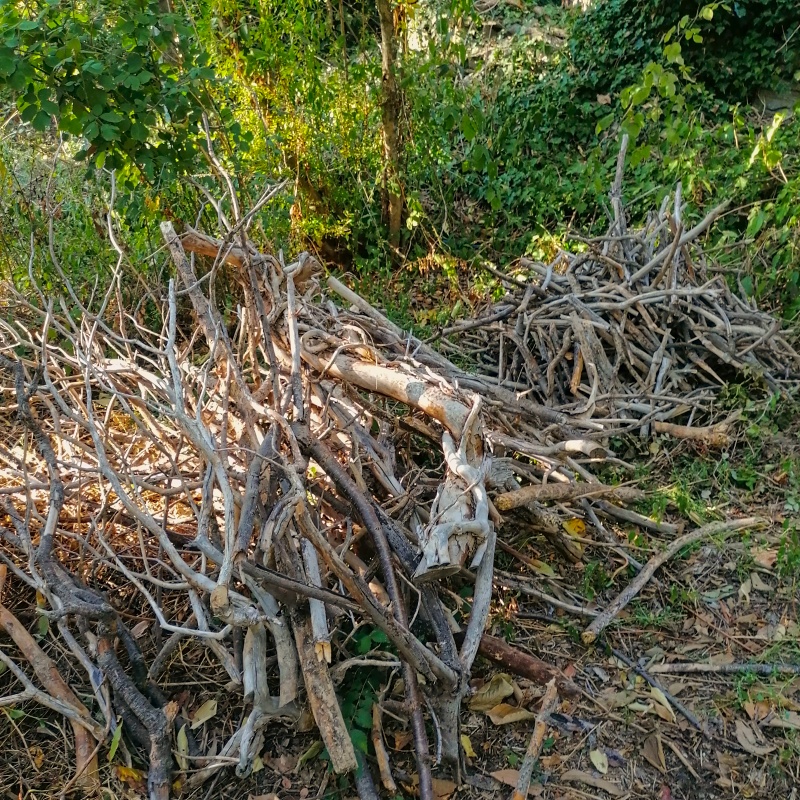
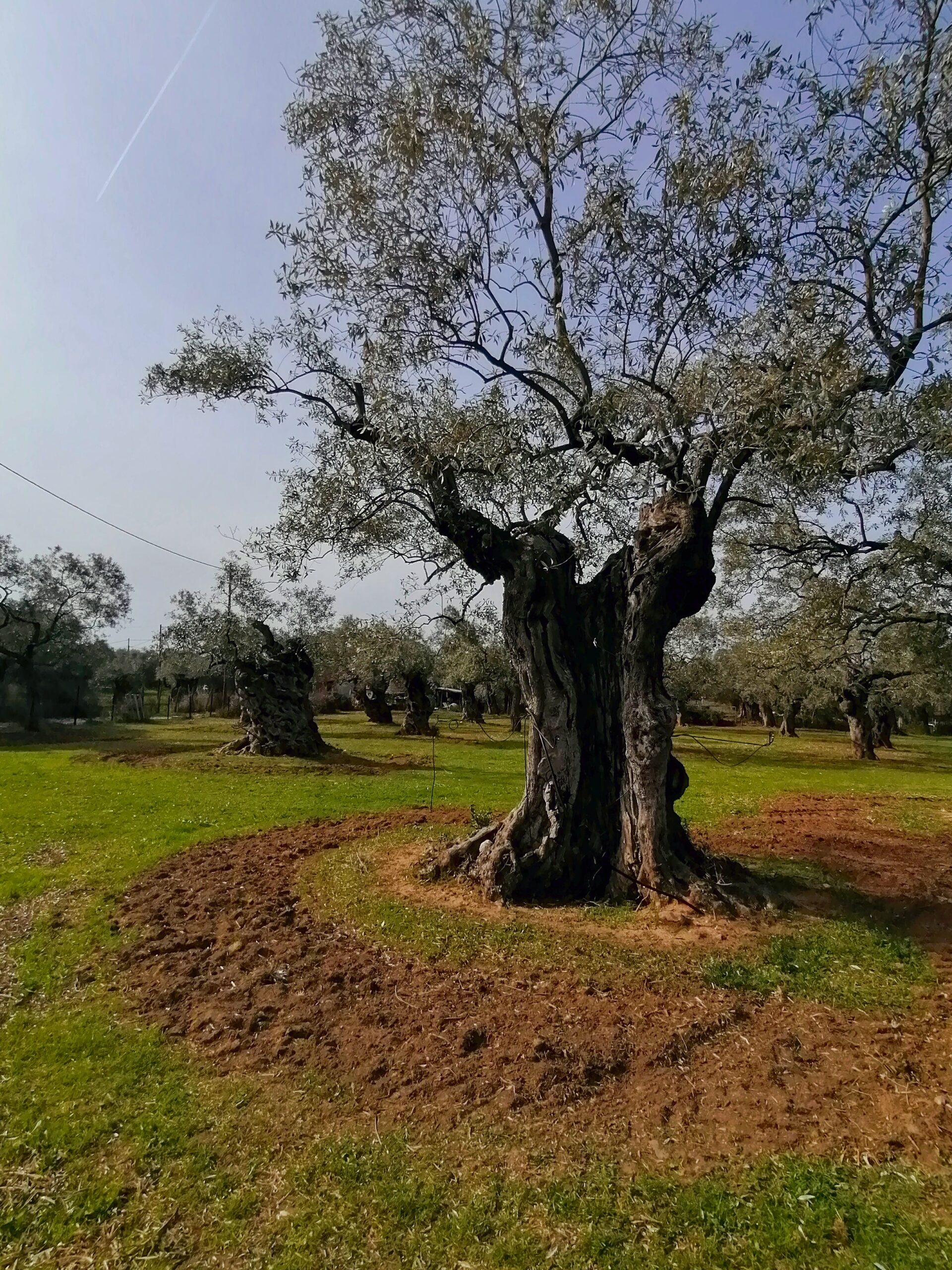
Biochar, made from organic residues such as tree cuttings (e.g. from olive trees), helps soils to better store water and nutrients. This natural method sustainably improves the soil structure and protects against erosion and dehydration.
The future begins in the ground
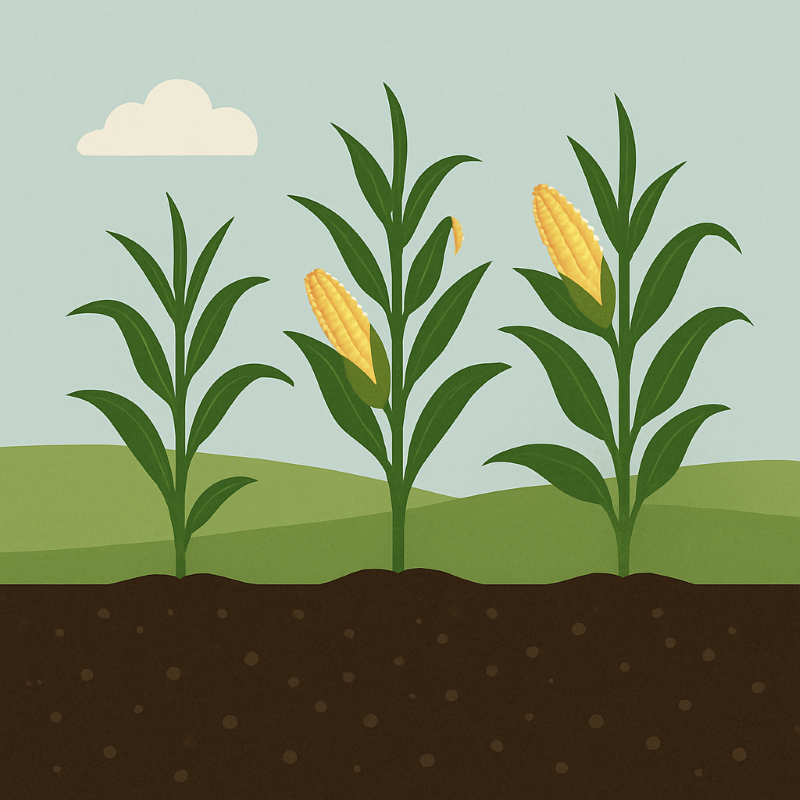
Less water consumption, fertile soils and stronger harvests – biochar can be part of the solution.
Every contribution counts towards keeping our island vibrant, green and sustainable.
What is biochar?
Definition
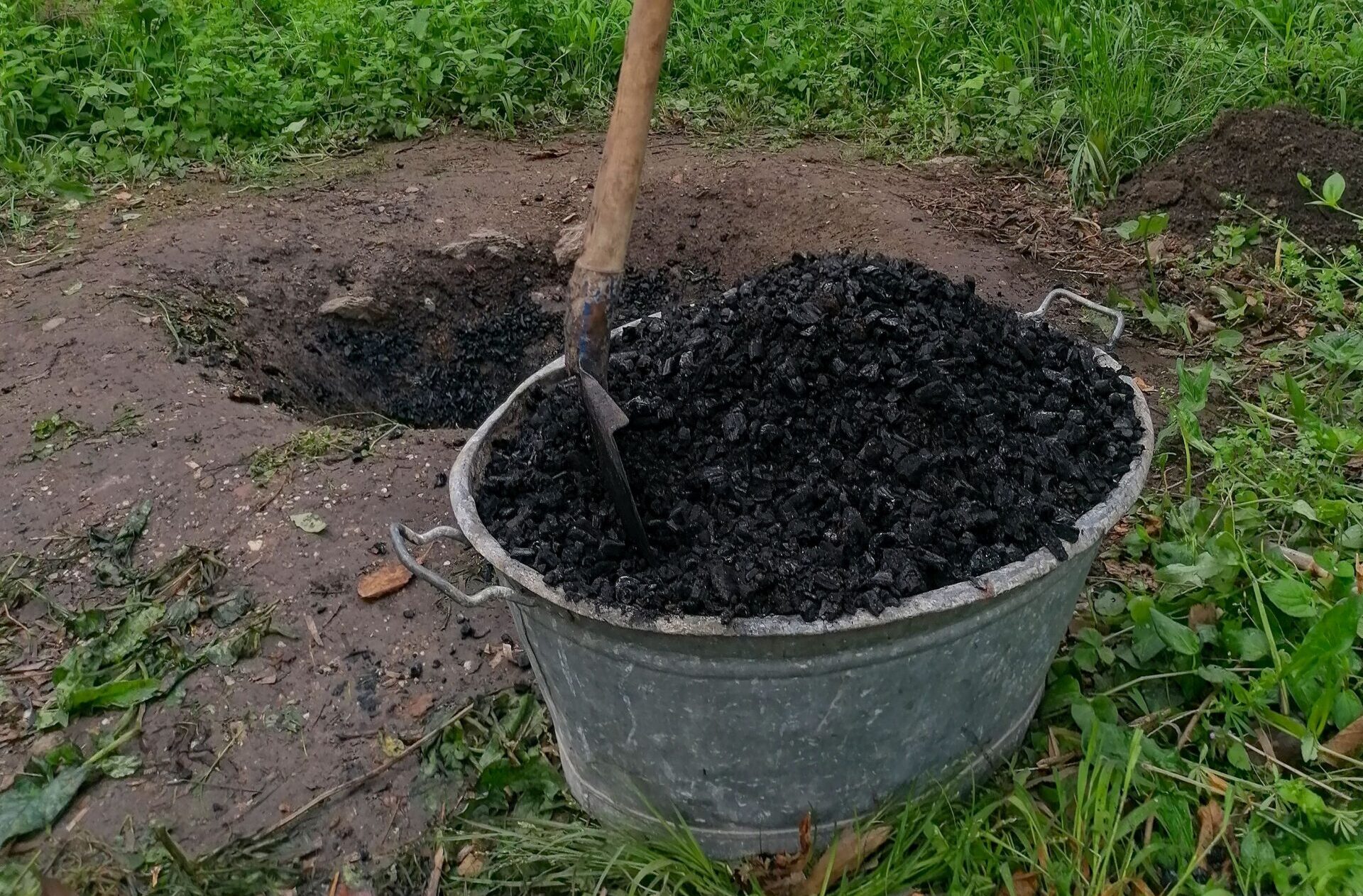
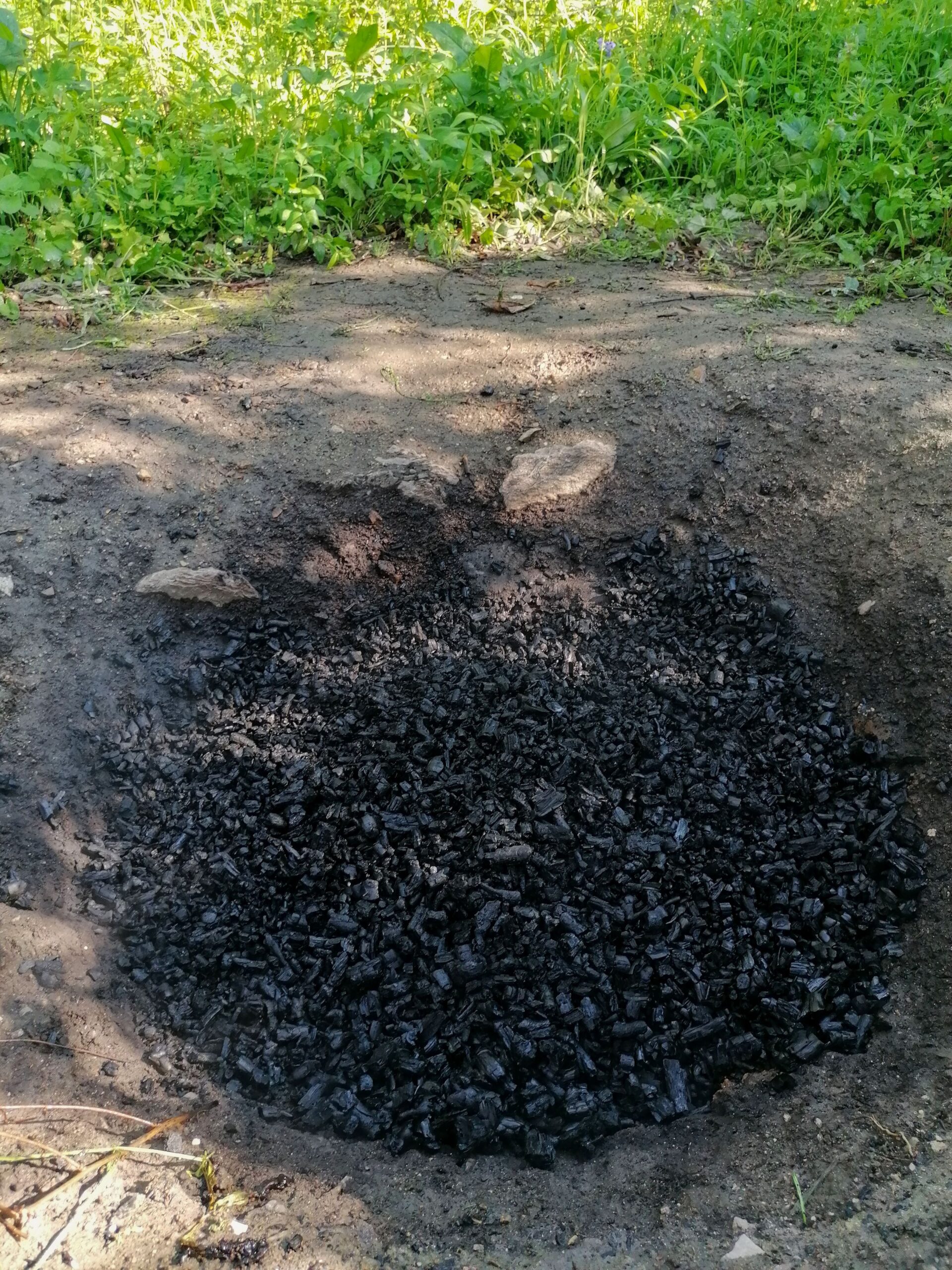
Biochar is a carbon-rich material that is produced from organic biomass through pyrolysis (heating in the absence of oxygen). It is particularly stable and is mainly used for soil improvement and carbon storage.
History
The use of biochar goes back to the indigenous population of the Amazon region, who created “terra preta” soils over 1000 years ago. These fertile soils consist partly of charcoal and still have a high nutrient density and productivity today.
Current use
Today, biochar is considered a promising tool for agriculture and climate protection. It improves soil structure, stores water and promotes soil microbes, while binding CO₂ in the long term.
Current research is focusing on optimizing and standardizing production for various applications.
Make your own biochar - here's how!
Biochar is a versatile natural product that is mainly used to improve the soil and protect the climate. It is easy to make yourself by charring organic material such as wood, straw or nutshells.
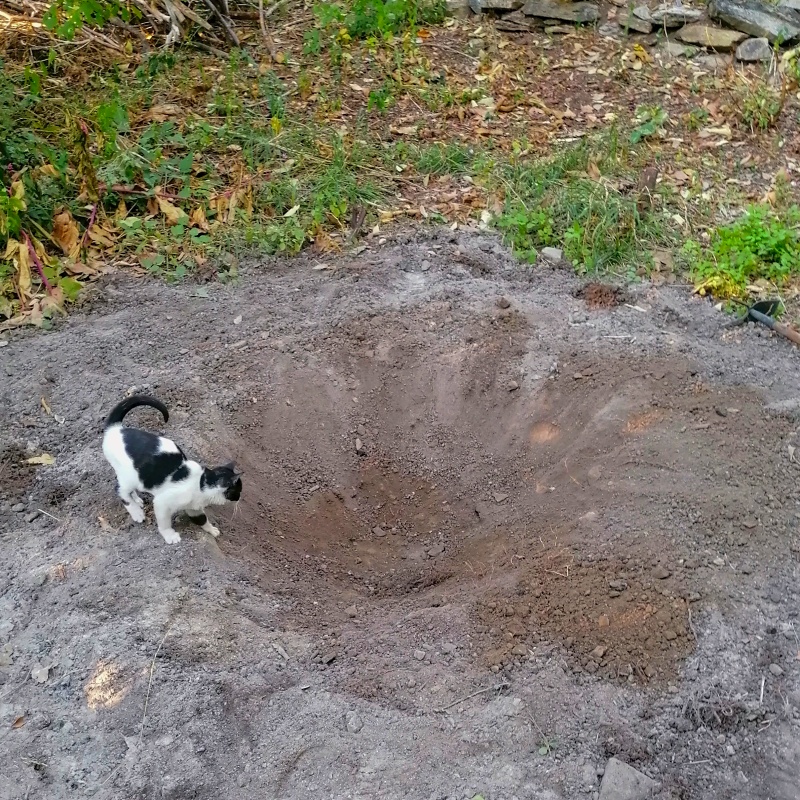
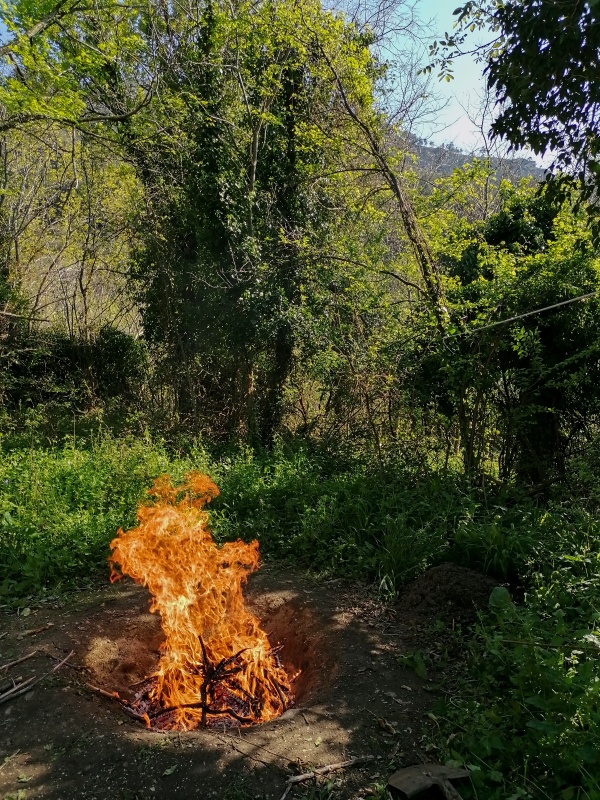
For production, the biomass is heated in a closed, heat-resistant container (e.g. a metal drum). This releases combustible gases that carbonize the biomass without oxygen. Alternatively, pit pyrolysis can be used: A layer of biomass is burnt off in a pit from top to bottom and then covered with soil to stop the charring process.
After cooling, the biochar is crushed and prepared for use. It can be worked directly into the soil or enriched with compost to increase the nutrient storage capacity.
Whether in the garden or for environmental projects – homemade biochar is a sustainable solution for fertile soil and a healthier environment!
Where can you use biochar?
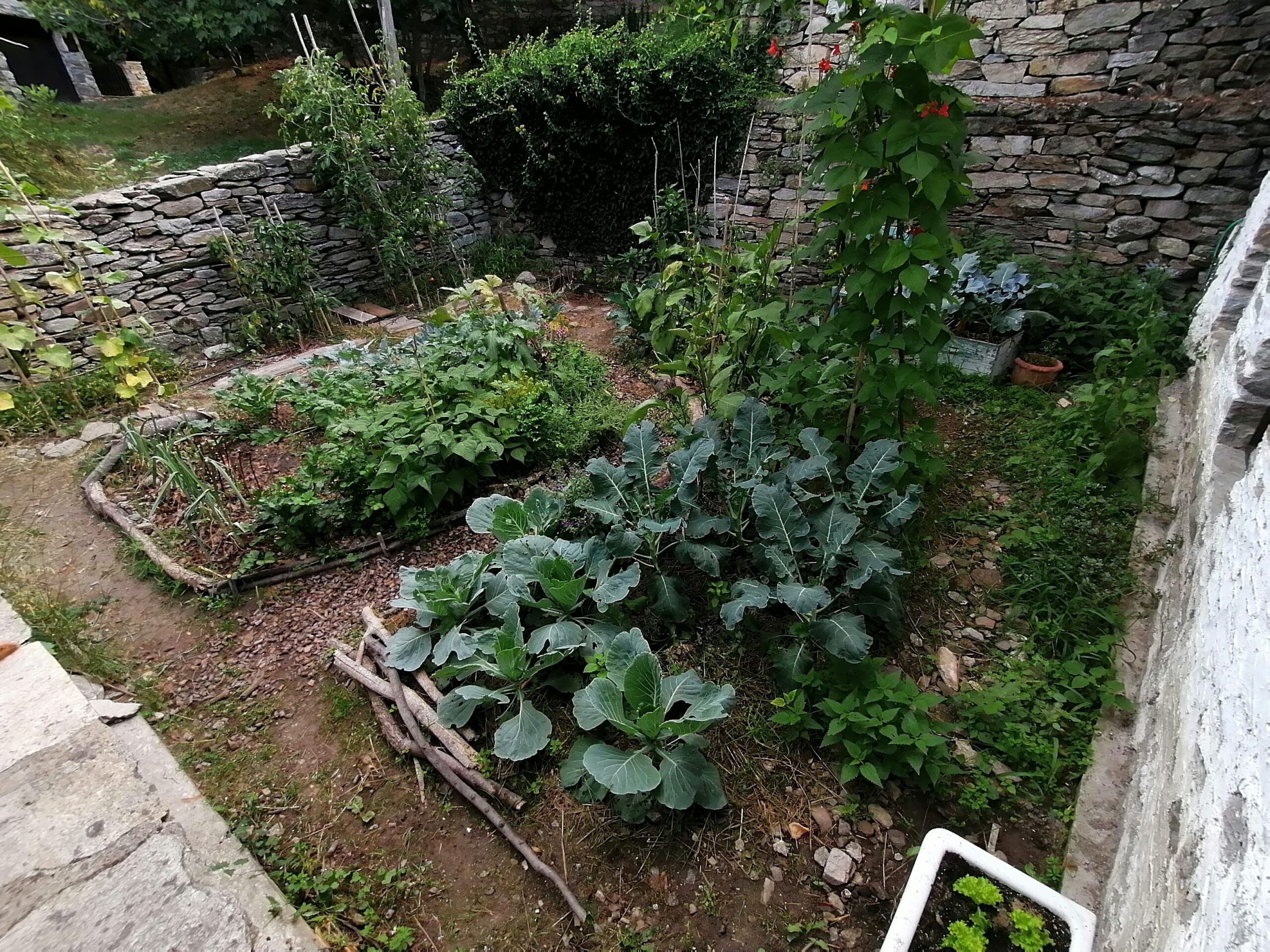
Biochar is a true all-rounder for gardens, agriculture and the environment. Its exceptional ability to store water and nutrients makes it ideal as a soil conditioner: it ensures fertile soils, increases yields and improves soil structure.
It is also used in animal husbandry, for example as a feed additive to aid digestion and bind pollutants. In composting, biochar stabilizes nutrients, reduces odours and accelerates the formation of humus.
It is also used in water filter systems, for odour neutralization and as a component of building materials. Thanks to its CO₂-binding properties, it also actively contributes to climate protection.
Whether in your own garden or in large environmental projects – biochar is a sustainable solution with countless possible uses!


